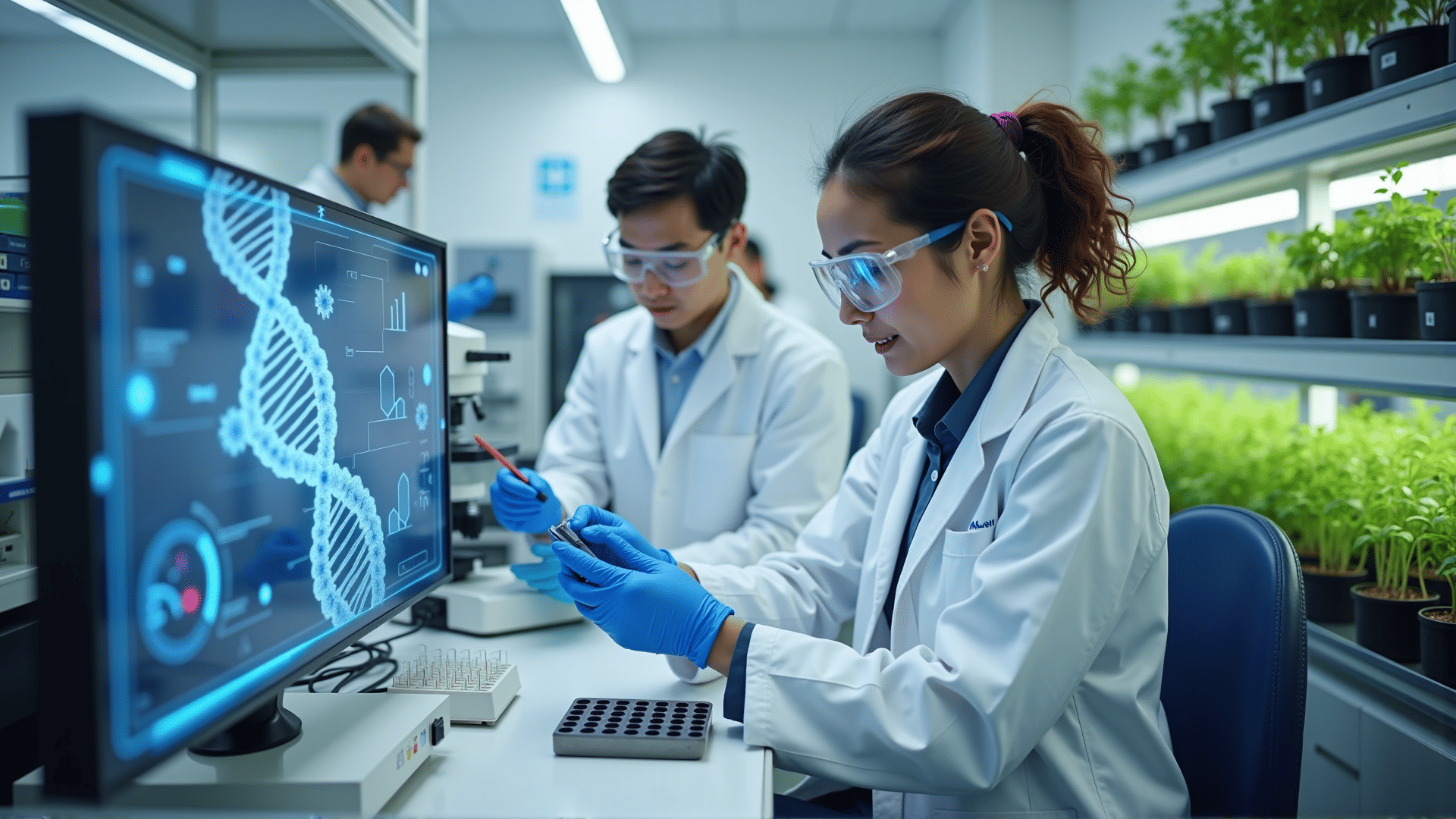
Biotechnology, a field that seamlessly combines biological sciences with technological innovation, is proving to be a powerful force of transformation across various sectors, notably medicine, agriculture, and genetics. The advancements in this field are not only improving human health and well-being but are also promising solutions to some of the most pressing challenges of our time.
In the realm of medicine, biotechnology is at the forefront of revolutionizing healthcare. Through the development of novel therapies and diagnostic tools, biotech innovations are enhancing the precision and efficacy of treatments. One of the most remarkable advances is in the area of personalized medicine. By utilizing genetic information, healthcare providers can tailor treatments to individual patients, significantly improving outcomes. Breakthroughs in gene editing technologies like CRISPR-Cas9 are further propelling this field, offering the potential to correct genetic disorders at their source, thus preventing diseases before they manifest.
Similarly, biotechnology is reshaping agricultural practices, presenting sustainable solutions to meet the growing global food demand. Genetically modified organisms (GMOs) are engineered to enhance crop yields, withstand environmental stresses, and improve nutritional content. This technological stride is crucial, especially in the context of climate change, as it helps secure food resources while minimizing the ecological footprint. Moreover, biopesticides and biofertilizers derived from natural sources are reducing the reliance on chemical pesticides and fertilizers, promoting eco-friendly farming practices.
In genetics, biotech innovations are unlocking new dimensions of our understanding of life itself. The Human Genome Project, completed in 2003, laid the groundwork for incredible advancements in genetic research. Today, with more sophisticated technologies, scientists can explore the intricacies of genomes with unprecedented precision. This deeper understanding is leading to discoveries such as the identification of genetic markers for diseases, which can aid in early diagnosis and preventative healthcare strategies. Furthermore, advances in synthetic biology are enabling the creation of entirely new genetic sequences, paving the way for innovations in bioengineering and the development of new therapeutic methods.
Beyond these individual advancements, the integration of biotechnology across fields is fostering a collaborative approach that accelerates scientific discovery and application. Interdisciplinary research, combining insights from biology, chemistry, and computer science, is driving us toward solutions that were previously unimaginable.
Despite these promising developments, the rapid pace of biotechnology also presents ethical and regulatory challenges. As we delve deeper into genetic modifications and the exploration of bioengineered solutions, careful consideration of ethical guidelines and robust regulatory frameworks is essential to ensure these innovations are used responsibly and equitably.
In conclusion, biotechnology is a transformative force reshaping our world. Its innovations in medicine, agriculture, and genetics are not only addressing today's challenges but are also laying the foundation for a healthier, more sustainable future. As these technologies continue to evolve, they hold the promise of unlocking new avenues of progress, making them a cornerstone of 21st-century advancements.