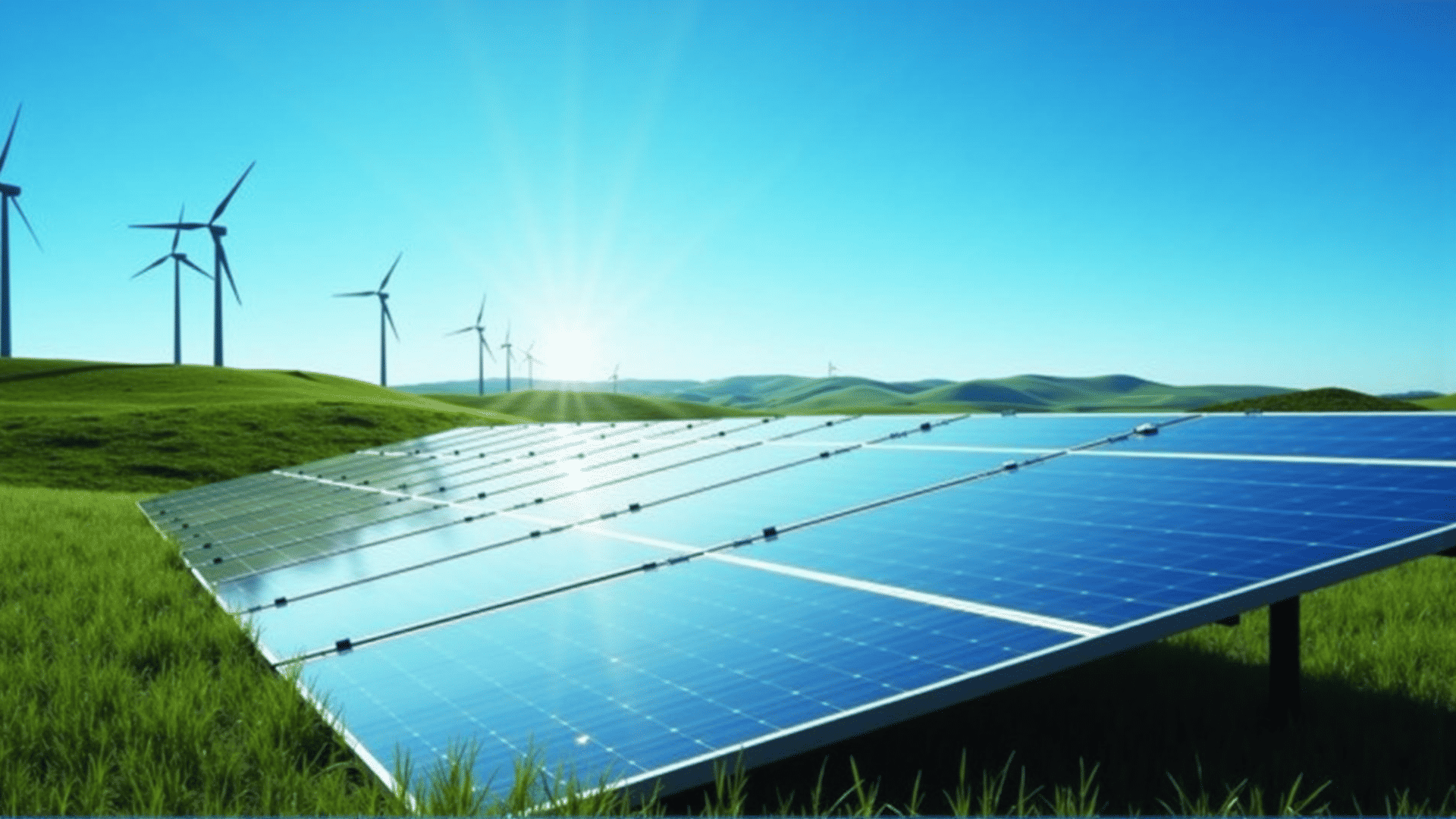
The shift towards renewable energy solutions has gained unprecedented momentum over the past decade, driven by the pressing need to tackle climate change and reduce dependency on finite fossil fuels. Among the myriad of innovations emerging from the renewable sector, solar and wind power technology stand out as frontrunners leading the charge towards a sustainable energy future. This article explores the exciting developments and solutions within these domains, shedding light on how they are reshaping the global energy landscape.
Solar power technology has undergone significant advancements, making it more efficient, accessible, and cost-effective. One of the groundbreaking innovations in this field is the development of high-efficiency solar photovoltaic (PV) panels. These panels are designed to convert sunlight into electricity with remarkable efficiency, thanks to advancements in materials science and nanotechnology. The use of perovskite materials, for instance, has shown potential to exceed the efficiency limits of traditional silicon-based solar cells. This opens the door to cheaper and more accessible solar power solutions, especially in regions with abundant sunlight.
Another promising development in solar technology is the integration of storage systems with solar panels. Energy storage is a critical component of overcoming the intermittent nature of solar power. Emerging storage solutions, such as lithium-ion and solid-state batteries, are being refined to store surplus energy generated during peak sunlight hours for use when sunlight is scarce. By enhancing storage capabilities, solar power systems can provide a reliable and continuous energy supply, reducing reliance on non-renewable energy sources.
Wind power technology, on the other hand, has seen remarkable strides in both design and deployment. Modern wind turbines are being engineered to be more efficient and powerful than ever before. One key innovation is the development of larger and more aerodynamically advanced turbine blades. These improvements enable turbines to harness more wind energy, even at lower wind speeds, making wind power a viable solution in areas with less consistent wind patterns.
Floating wind farms represent another revolutionary breakthrough in harnessing offshore wind energy. These innovative setups involve anchoring floating platforms equipped with wind turbines in deep-water locations, previously inaccessible to traditional fixed-foundation turbines. Floating wind farms open up vast areas of ocean for energy production, significantly expanding the potential for harnessing wind power globally.
Furthermore, grid integration technologies are enhancing the reliability and efficiency of wind power systems. Smart grids, for example, can effectively manage the distribution of electricity generated from wind farms, ensuring a steady and balanced flow of energy to meet demand. Predictive analytics and machine learning algorithms are also being utilized to forecast wind patterns, allowing grid operators to optimize energy production and distribution.
Both solar and wind power technologies are also benefiting from increased digitalization. Advanced monitoring systems and Internet of Things (IoT) devices enable real-time data collection and analysis, allowing for proactive maintenance and operation of renewable energy assets. This digital transformation not only enhances the efficiency of energy production but also extends the lifespan of renewable energy infrastructure.
As these renewable energy technologies continue to evolve, they play a crucial role in global efforts to transition away from carbon-intensive energy systems. Governments and industries worldwide are recognizing the economic and environmental benefits of investing in renewable energy solutions. Incentive programs, subsidies, and legislative support are further accelerating the deployment of solar and wind power initiatives, spurring economic growth while safeguarding the planet.
In conclusion, the innovations in solar and wind power technology are paving the way for a sustainable and clean energy future. By enhancing efficiency, optimizing storage, and expanding deployment capabilities, these solutions are instrumental in reducing carbon emissions and combating climate change. As the world continues to embrace renewable energy, the future shines brightly with the promise of a more sustainable, equitable, and resilient energy system.